Conquering the Roof of the World: 10 Essential Tips for Trekking to Everest Base Camp
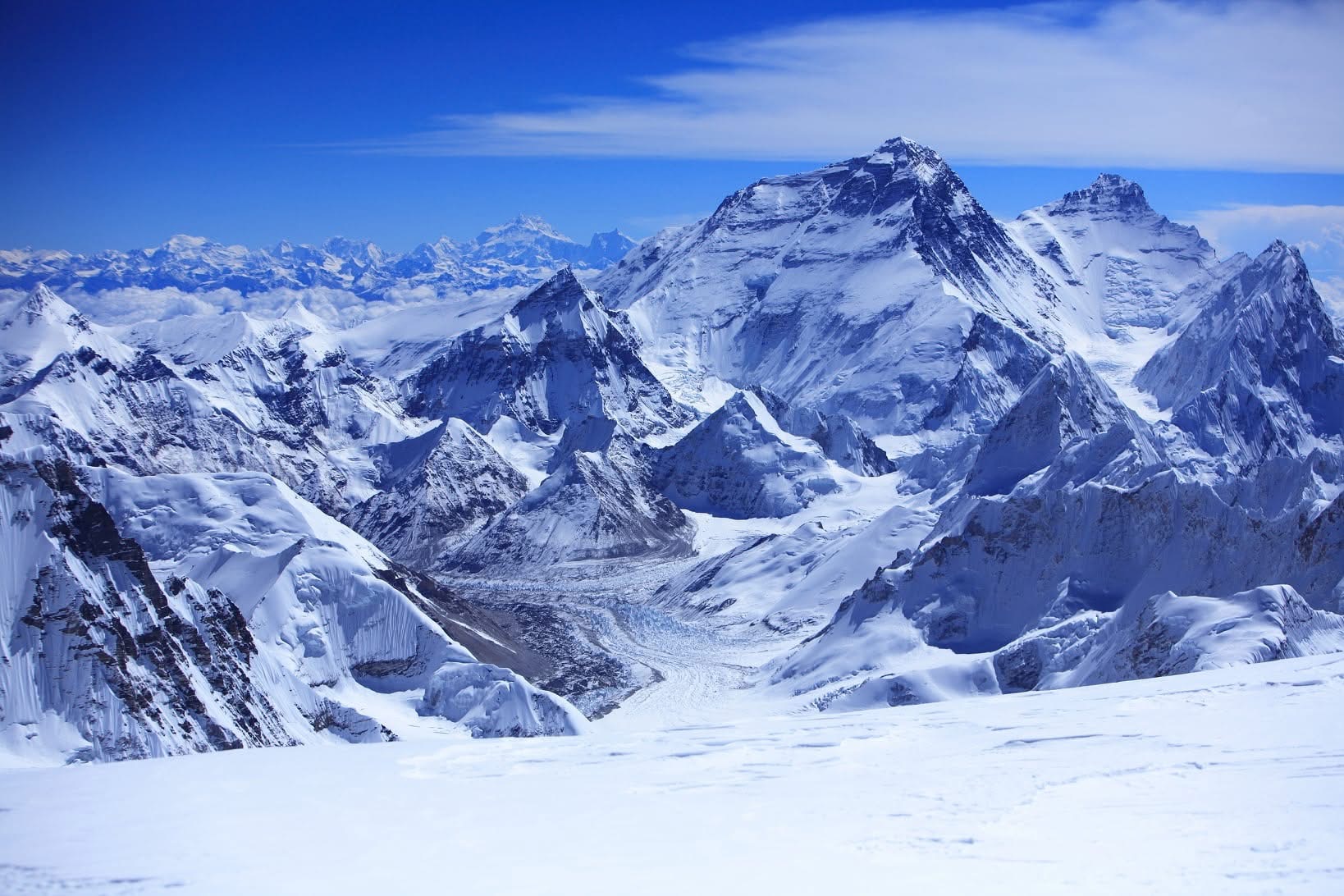
Trekking to Everest Base Camp (EBC) is the ultimate dream for adventure seekers worldwide. Standing in the shadow of the world’s highest peak is an unforgettable milestone, but the journey there requires more than just a plane ticket to Lukla. Proper preparation is the fine line between a life-changing triumph and a grueling, uncomfortable struggle.
To help you seamlessly navigate the trails, conquer the altitude, and soak in every moment of the Himalayas, here are 10 essential, battle-tested tips for your Everest Base Camp trek.
1. Train Your Cardio and Endurance Early
Preparation should ideally start at least 3 to 4 months before your departure date. You don’t need to be an elite athlete, but excellent cardiovascular endurance and leg strength are non-negotiable.
-
The Routine: Focus on aerobic exercises like running, swimming, and cycling.
-
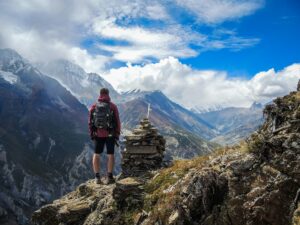
The Secret Weapon: The absolute best way to train is by hiking local trails with a loaded backpack. This perfectly simulates the consistent, multi-day pressure your legs and core will experience in the Himalayas.
2. Hydration is Your Best Friend
Altitude sickness (Acute Mountain Sickness or AMS) is frequently triggered or worsened by severe dehydration. As you climb higher, your body loses moisture much faster through respiration.
-
The Goal: Aim to drink 4 to 5 liters of water every single day on the trail.
-
Water Safety: Never drink untreated stream or tap water. Always use water purification tablets, chlorine drops, or a reliable filtration system like a LifeStraw to ensure your water source is safe from harmful contaminants.

3. Respect Local Culture and Traditions
The Khumbu region is steeped in rich Sherpa culture and Tibetan Buddhism. Showing respect to the local communities transforms a simple hike into a deeply meaningful cultural exchange.
-
Trail Etiquette: You will pass countless Mani stones (carved stones), prayer flags, and stupas. Always pass them to their left side (clockwise direction).
-
Connection: Learning a few basic phrases goes a long way. Greet the locals with a warm “Tashi Delek” (meaning blessings or good fortune) to build instant rapport.
4. Master the Art of Acclimatization (Slow and Steady)
The golden rule of high-altitude trekking is simple: Go slow. This isn’t a race. Pushing too hard early on drastically increases your risk of AMS.
-
Follow the Plan: Trust your itinerary, especially the designated acclimatization days in Namche Bazaar (3,440m) and Dingboche (4,410m). Use these days to follow the classic mountaineering philosophy: “Climb high, sleep low.” ## 5. Invest in Broken-In, High-Quality Footwear Your feet are your vehicle for this 130-kilometer round-trip journey. A painful blister on Day 2 can completely ruin your entire experience.
-
The Golden Rule: Buy your trekking boots months in advance and wear them during your training hikes. Never show up to Lukla with brand-new, stiff boots straight out of the box. Look for waterproof boots that provide excellent ankle support.
6. Pack for Extreme Layers
The weather in the Himalayas is notoriously unpredictable. You can go from sweating in a T-shirt under a blazing sun at midday to shivering in sub-zero temperatures once the sun drops behind the peaks.
-
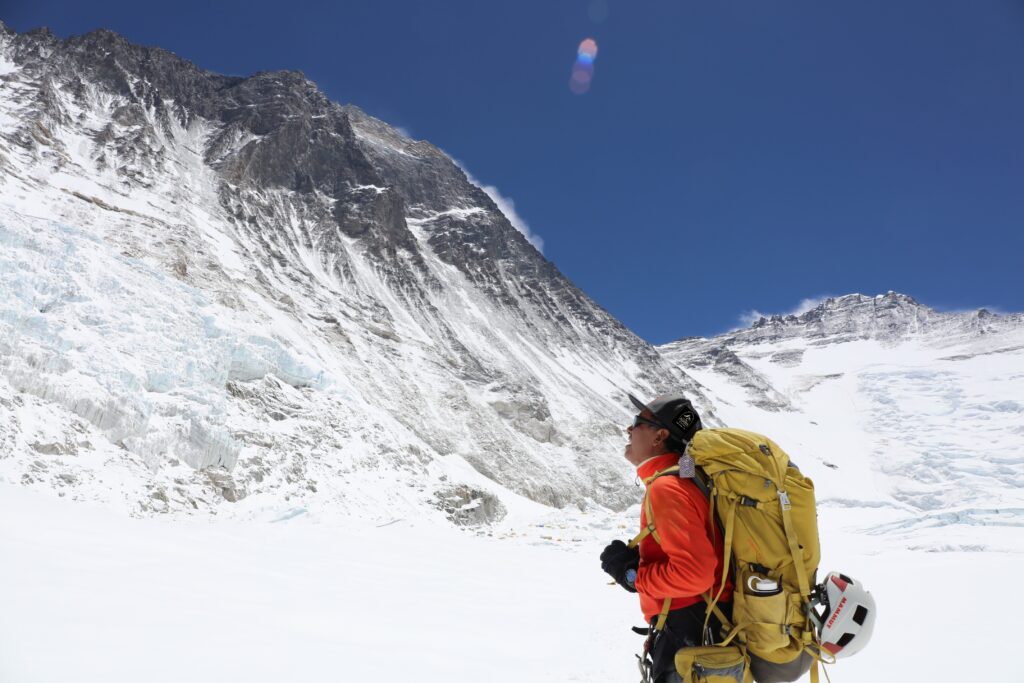
The Strategy: Layering is key. Your packing list must include a moisture-wicking base layer, an insulating fleece mid-layer, a high-quality down jacket, and a windproof/waterproof outer shell.
7. Budget for Extras and Keep Cash Handy
While your trekking package likely covers accommodation and standard meals, the mountains have a sneaky way of accumulating extra costs.
-
The Add-ons: Charging your phone or camera batteries, hot showers, Wi-Fi access, and buying an occasional sweet treat or hot bucket of water all cost extra at the teahouses ($3 to $10 USD per service).
-
Atm Warning: ATMs in Namche Bazaar are notoriously unreliable. Withdraw plenty of Nepalese Rupees (NPR) in Kathmandu before flying out.
8. Don’t Skip the Diamox (But Consult Your Doctor)
Many trekkers use Acetazolamide (commonly known as Diamox) to help their bodies adjust to the altitude more efficiently.
-
The Prep: Speak with your doctor or travel clinic before your trip to get a prescription. It is a preventive medication, not a cure-all. If you begin showing severe symptoms of AMS, the only definitive remedy is descending immediately.
9. Eat for Fuel, and Beware the “Khumbu Cough”
Your body burns an incredible number of calories at high altitudes, even while resting. You need to consistently fuel your body, even if the altitude suppresses your appetite.
-
The Diet: Stick heavily to carbohydrates like the traditional Dal Bhat (lentil soup, rice, and vegetable curry). It’s fresh, filling, hygienic, and provides clean energy.
-
The Meat Warning: Avoid eating meat high up on the trail. Because of local religious beliefs, animals are not slaughtered in the Khumbu region; meat is flown into Lukla and carried up by porters for days without refrigeration.

10. Stay Mentally Flexible and Positive
Trekking to Everest Base Camp is as much a mental challenge as it is a physical one. Flights into Lukla can be delayed by weather, teahouse rooms are basic, and toilets can be primitive.
-
The Mindset: Embrace the discomfort as part of the grand adventure. Keep an open mind, stay patient with flight schedules, and focus on the jaw-dropping vistas surrounding you.
Ready to take the first step toward the adventure of a lifetime? The majestic Himalayas are calling. Standing at the base of the world’s highest peak is an achievable dream when you have the right preparation, the right mindset, and an expert team guiding your footsteps. To ensure a seamless, safe, and truly unforgettable journey to the roof of the world, plan your bucket-list treks, tours & expedition with ZenTrek Adventures.
Popular Articles